

Surety bonds are not just a box to check off when starting a business. In many industries, having the right bond is essential if you want to stay licensed, win projects, and earn customer trust. Whether the law requires it or the market expects it, bonds are part of the cost of doing business for thousands of companies across the country.
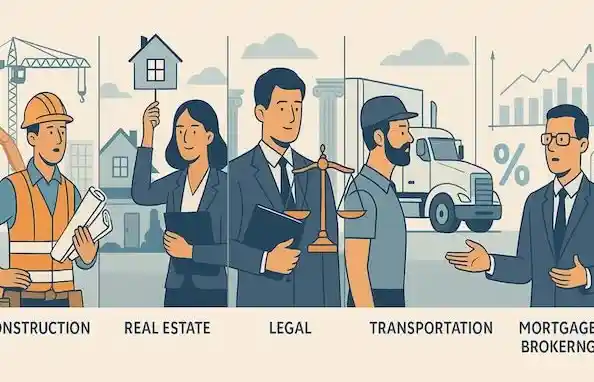
If you are wondering whether your industry falls into that category, here is a rundown of five industries where surety bonds are a must, plus real-world tips on how to meet the requirements without getting bogged down.
1. Construction and Contracting
Construction is probably the first thing that comes to mind when people hear about surety bonds. Public projects, especially those funded by taxpayer dollars, almost always require bonds to make sure the work gets done and everyone involved gets paid. Even private owners sometimes demand bonding to protect themselves.
Common bonds in construction include bid bonds, performance bonds, and payment bonds. These guarantee that contractors will stick to the project terms, finish the work properly, and pay their subcontractors and suppliers.
How to Comply: If you are bidding on public work, you will almost always need to comply with the Miller Act at the federal level (source: gsa.gov). Many states also have "Little Miller Acts" that apply to state and local projects. Make sure you work with a bond producer who understands construction bonding. Clean financial records, good credit, and proven project experience will make a huge difference when you apply.
For help getting started with construction bonds, visit AmericaSuretyBonds.com.
2. Motor Vehicle Dealerships
If you plan to open a car dealership, you are going to need a motor vehicle dealer bond before you can get licensed. These bonds protect consumers from dishonest practices like odometer fraud, failure to pay registration fees, or selling vehicles without proper titles.
Every state has its own rules and bond amounts. In Florida, for example, independent dealers must carry a $25,000 surety bond (source: flhsmv.gov).
How to Comply: First, check your state DMV or Department of Highway Safety website for exact licensing requirements. Make sure you maintain your bond year after year because an expired or canceled bond can lead to an immediate suspension of your dealer license.
You can apply for fast, affordable dealer bonds with us at AmericaSuretyBonds.com.
3. Freight Brokers and Transportation
Freight brokers connect shippers with carriers, and trust is the name of the game. That is why the Federal Motor Carrier Safety Administration (FMCSA) requires freight brokers to have a $75,000 surety bond, known as a BMC-84 bond, before they can operate (source: fmcsa.dot.gov).
This bond ensures that brokers will pay carriers and shippers as promised.
How to Comply: Before applying for your broker authority through the FMCSA, you must secure a BMC-84 bond from a licensed surety provider. Be ready to provide some financial information and a basic business plan when applying. Also, remember that the bond must be kept active at all times while you are operating.
You can secure a competitive freight broker bond quickly by applying through AmericaSuretyBonds.com.
4. Mortgage Brokers and Lenders
The mortgage industry is heavily regulated at both the state and federal levels. Mortgage brokers, lenders, and servicers are usually required to post a surety bond as a condition of licensing. These bonds protect consumers by guaranteeing that financial professionals follow all lending laws and ethical practices.
The amount you will need depends on your volume of loans and the state you are operating in. For example, the Nationwide Multistate Licensing System (NMLS) provides guidelines and resources on mortgage licensing requirements (source: nmlsconsumeraccess.org).
How to Comply: Start by checking your state’s banking or financial regulatory agency website. Some states scale the bond amount based on your loan volume, while others set a flat minimum. Make sure you renew your bond when required and report any major changes in business operations to stay compliant.
We help mortgage professionals across the country get bonded fast at AmericaSuretyBonds.com.
5. Notaries Public
Notaries play a critical role in preventing fraud, which is why many states require notary surety bonds. These bonds protect the public from financial harm if a notary commits a mistake or misconduct.
Requirements vary widely by state. For example, Texas requires a $10,000 notary bond for new and renewing notaries (source: sos.state.tx.us).
How to Comply: Before you apply for a notary commission, check your state’s Secretary of State website for bond requirements. Be sure to purchase your bond from an authorized surety company and file it with the proper state office along with your notary application.
You can find quick and affordable notary bonds by visiting AmericaSuretyBonds.com.
Final Thoughts
Getting bonded is not just another licensing step. It is a key part of showing customers, regulators, and partners that you are serious about running a trustworthy business. Whether you are building houses, selling cars, brokering freight, funding mortgages, or notarizing legal documents, having the right bond in place protects both you and the people you serve.
At AmericaSuretyBonds.com, we make the process simple, affordable, and fast. If you have questions or need help getting bonded for your business, we are ready to walk you through it.